
Don’t Just Celebrate Successes, Study Them
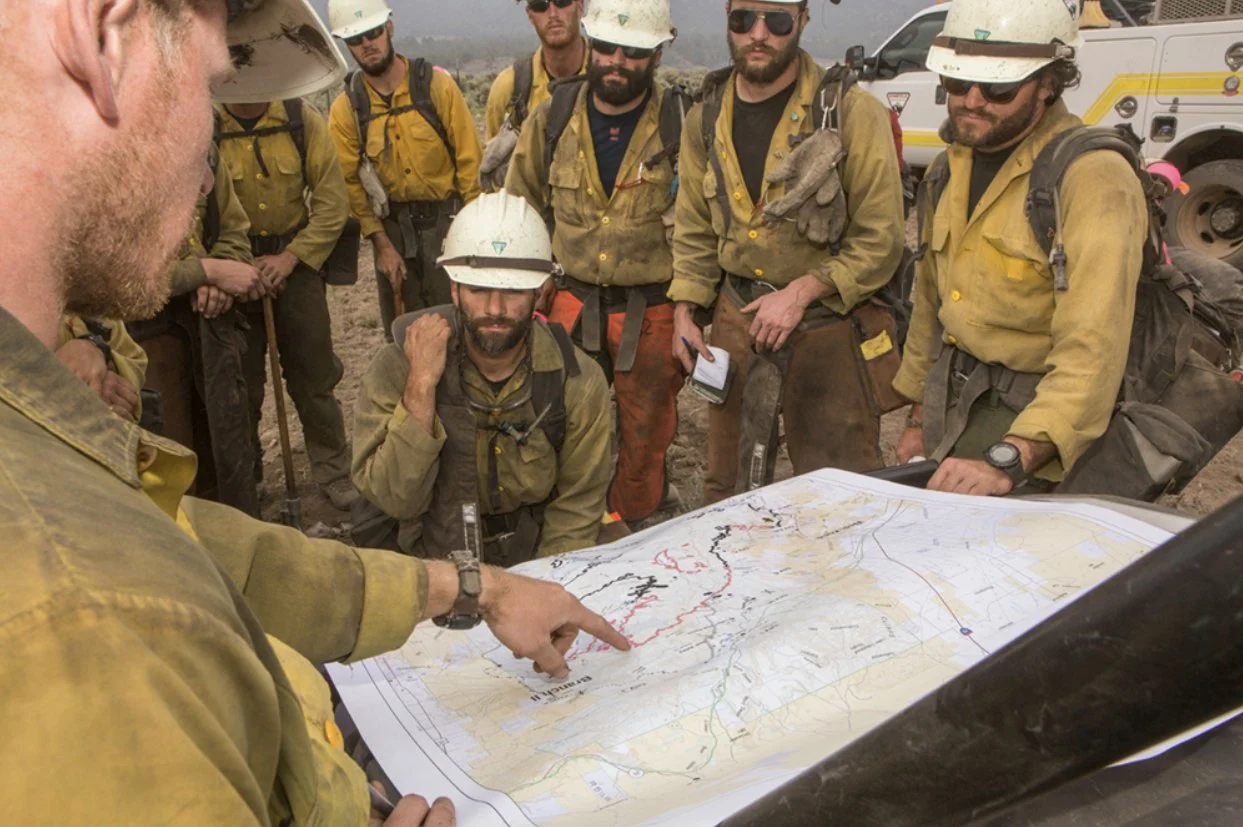
When a crew of wildland firefighters finishes an incident, they don't only stop and reflect when something has gone wrong. They study what went right, too.
Wildland firefighting teams regularly use a practice called an After Action Review to understand what happened, why it happened, and what they should do differently next time. Given the stakes of their work, learning from mistakes is obviously critical. But their approach emphasizes something that leadership teams often overlook: understanding the causes of success is just as important as understanding the causes of failure.
The National Wildfire Coordinating Group puts it plainly: "It is essential for wildland firefighters to learn from our mistakes and to capitalize on our successes."
Their guidance goes even further. An After Action Review isn't simply designed to correct weaknesses. Teams are specifically encouraged to identify strengths they should sustain so they can repeat their success in the future.
In other words, "It worked" isn't enough. They want to understand why it worked.
We Tend to Study Failure and Celebrate Success
When something goes poorly, our instinct is to understand why.
A major initiative misses its target. A new process creates unexpected problems. We schedule a meeting, dissect what happened, and try to figure out what we should do differently next time. You have probably heard someone say or you’ve said it yourself, "Let's get together and do a postmortem on it.”
But when something goes exceptionally well, our response is usually different. We celebrate it (briefly) and then we just move on.
Maybe you just finished a major initiative that went better than expected. The team worked well together, the results were strong, and everyone walked away feeling good about what you accomplished. Those outcomes deserve to be celebrated. But if celebration is where the conversation ends, we may be leaving some of our most valuable learning behind.
Don't Just Celebrate Success. Study It.
This is one of the reasons we encourage leadership teams to build retrospectives into their regular rhythm. The reality is that no matter how big the win is, you are unlikely to get together to learn from if it's not scheduled.
A retrospective isn't a meeting you hold just because something went wrong. It's a rhythm you build because you want to keep getting better. Sometimes that means you'll focus more on things that could have gone better. Other times it means you will spend more time learning about why things went so well. Either way, you are learning together, and that's the key.
What worked that we might want to repeat?
What didn't work that we want to change?
What surprised us? What did we learn?
What will we do differently because of what we learned?
The first question may be the one teams overlook most often.
Imagine your organization just had its most successful event ever. Instead of patting each other on the back, you spent twenty minutes exploring what caused the success. Did you start planning earlier? Was ownership clearer? Did two departments collaborate differently? Did someone make a decision that changed the trajectory? Was there something about the way the team communicated that you should repeat?
The goal isn't simply to recognize good performance. It's to understand it well enough to replicate it.
Make Learning Part of the Rhythm
There's another reason retrospectives matter: without a rhythm for learning, urgency almost always wins. The next big initiative begins or the next quarter arrives. Before long, everyone has moved on and the lessons from the last experience are increasingly difficult to recover. We have fuzzy memories afterall. If we don’t get together quickly after the success, we won’t be able to capitalize on the potential learning.
A retrospective creates a deliberate pause between doing and doing again. It's disruptive in an incredibly meaningful way. If done consistently, you can improve bit by bit until you don’t even recognize the way you were doing things a year ago.
It gives a team the chance to turn experience into insight and insight into adjustment. Over time, that creates a team that doesn't just accumulate more experience. It actually gets better because of it.
A Final Thought
The next time something goes exceptionally well, celebrate it. Your team deserves that.
But before everyone moves on, spend a little time understanding why it worked.
What should you repeat?
What should become part of the way your team operates going forward?
Some of your team's most valuable lessons aren't hiding inside its failures. They're hiding inside its successes.
-Shaun & Joe