
Lessons from Artemis II - Teams Perform Better When They Prepare Together
The success of the Artemis II mission is remarkable. It reflects years of innovation, coordination, and progress toward something that once again feels just beyond our reach.
But what stood out most wasn’t just what they accomplished. It was how they prepared. This wasn’t just a group of capable individuals. It was a team that had been preparing to operate together long before launch.
Too often, we focus on individual development and growth, hoping it will translate into better team performance. Then when it’s time to execute, we expect those individuals to come together and perform as a team, even though they have done little to anticipate and train for the challenges they will face.
Organizations like NASA have learned this over time. In the aftermath of the Space Shuttle Columbia disaster, it became clear that success depends not just on technical capability, but on how teams communicate, build trust, and operate under pressure. Those lessons were built into how teams prepare.
If teams want to reach new levels of performance, they have to prepare together. Shared understanding and shared experience are what make that possible. Here are three key ways the Artemis II team trained together.
Built Cohesion Through Shared Experience
The environment they were preparing for required complete reliance on one another. Confined spaces, high stakes, and constant interdependence meant that trust couldn’t be assumed. It had to be built.
They spent extended time working side by side, not just learning the mission, but learning each other. They worked through complex scenarios together, navigated uncertainty in real time, and developed a feel for how each person thinks, communicates, and responds.
That kind of familiarity doesn’t come from proximity alone. It comes from engaging in meaningful work together, especially the kind that requires coordination, decision-making, and clear communication. Over time, those shared experiences begin to shape trust. Teammates learn what to expect from one another, how to support each other, and how to stay aligned when the situation becomes more demanding.
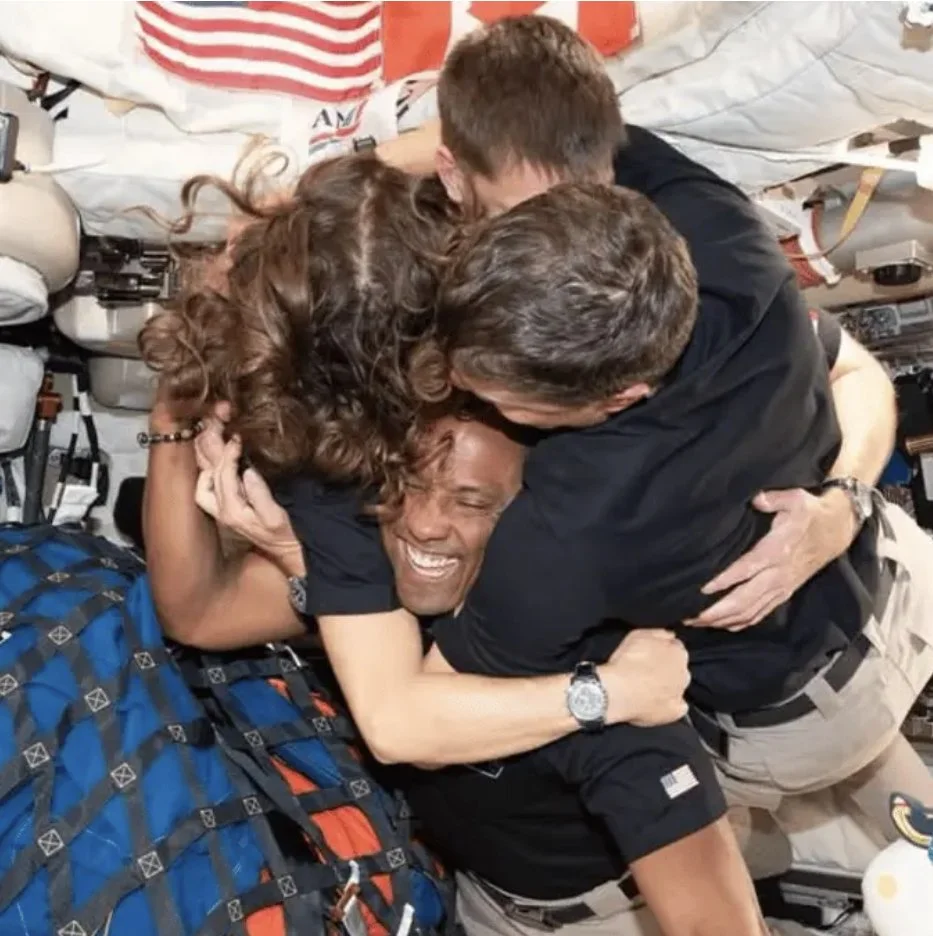
Prepared for high stress situations
NASA’s preparation goes beyond the technical demands of the mission. They also prepare for how people will respond when the pressure is high.
Astronauts are trained to understand their tendencies in high-stress situations and how it affects their thinking, their communication, and how they show up with others. They don’t assume they will operate the same way under pressure as they do in normal conditions.
That awareness matters. When a team has prepared together in those conditions, individuals begin to recognize patterns in themselves and in each other. They know who tends to get quiet, who becomes more direct, who may need more clarity, and who might push for quick decisions. That familiarity helps teams stay focused on the work instead of misinterpreting behavior or taking things personally in the moment.
It also creates space for individual growth. Preparation makes it easier for each person to see where they need to improve. It surfaces the ways they might unintentionally slow down problem-solving or create friction under pressure. And it gives them the opportunity to commit to showing up differently when it matters most.
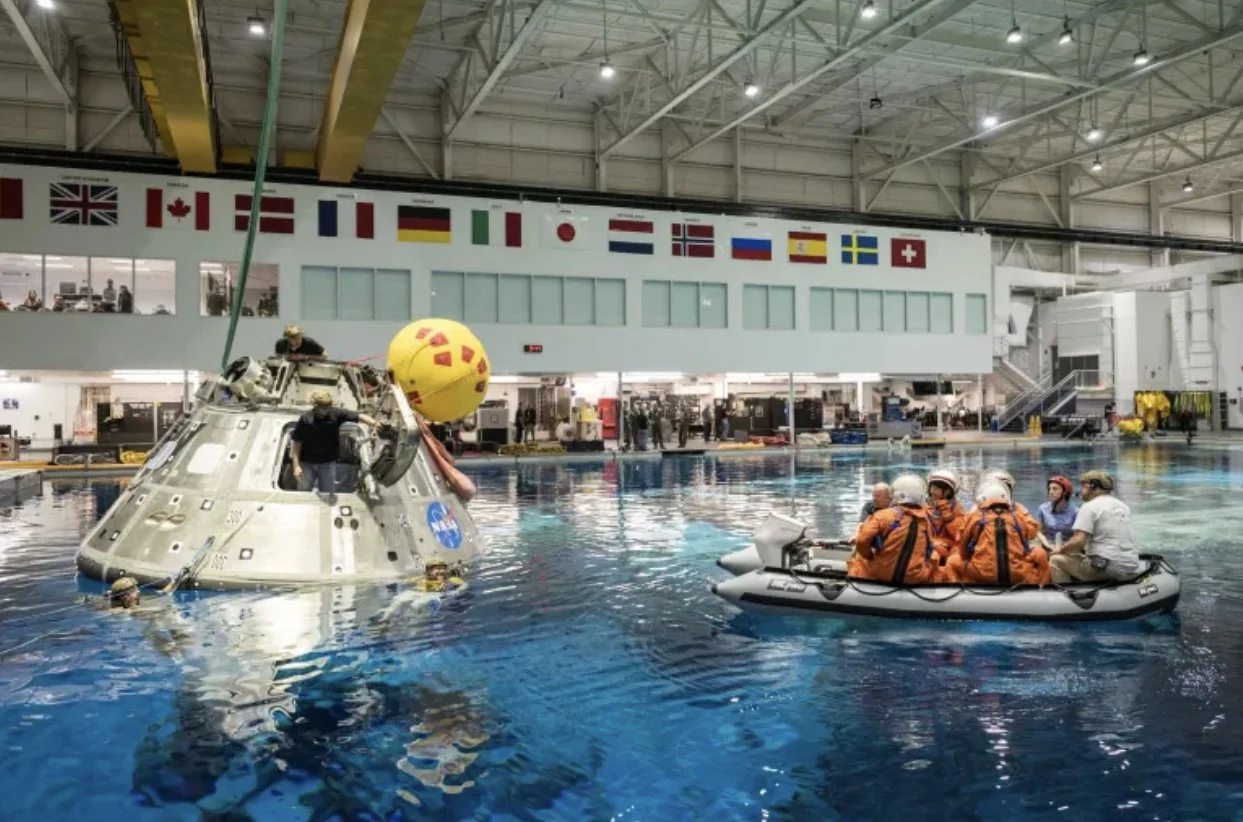
Established Communication Norms
Through simulations and rehearsals, the team developed clear agreements about how they would communicate when it mattered most. They aligned on communication standards and norms that shaped how information would flow, how decisions would be made, and how concerns would be raised and responded to.
These weren’t assumptions. They were explicit agreements that the team could rely on.
As they worked through different scenarios, those agreements were tested and refined. The team built familiarity with how to speak up, how to ask for clarity, and how to stay aligned as situations became more complex. They didn’t just learn what to say. They learned what was expected of each other in those moments.
That clarity reduces hesitation. It makes it easier to raise concerns and easier to stay coordinated when pressure increases. So when the stakes are high, the team doesn’t have to figure out how to communicate. They already know, because they’ve agreed on how they will.
A Final Thought
What stands out about Artemis is not just what they accomplished. It’s how they prepared to accomplish it. They didn’t assume they would come together when it mattered most. They invested the time to build that capability long before the mission began.
If we want our teams to perform at a higher level, we have to prepare together. Because in the end, teams don’t come together for the first time when it matters most. They perform at the level they’ve already practiced at.
-Shaun & Joe