
Teams Build Stronger Trust When Teammates Create Psychological Safety
If you haven’t seen Jury Duty Presents: Company Retreat, the premise is pretty ridiculous.
One real person, Anthony, believes he’s attending a legitimate company retreat for a hot sauce company. Everyone else around him is an actor, and the entire environment is staged to create increasingly awkward and absurd situations. But somewhere in the middle of all the chaos and comedy, you unexpectedly get a picture of what a truly great teammate looks like.
What makes Anthony so compelling is how deeply human he is. He feels approachable, grounded, and authentic in a way that immediately puts people at ease. And by the end of the show, you begin to realize something: He’s the kind of person everyone would want to work with.
Joe and I watched this around the same time, and when we had both finished, we said, “Every team needs an Anthony.” Well, Joe actually said, “Anthony for President,” and yeah, I’d definitely get behind that. Interestingly, none of the qualities that made him so impactful were tied to authority, expertise, or experience. His impact came from how consistently he showed up for the people around him. In small moment after small moment, he simply brought out the best in just about everyone.
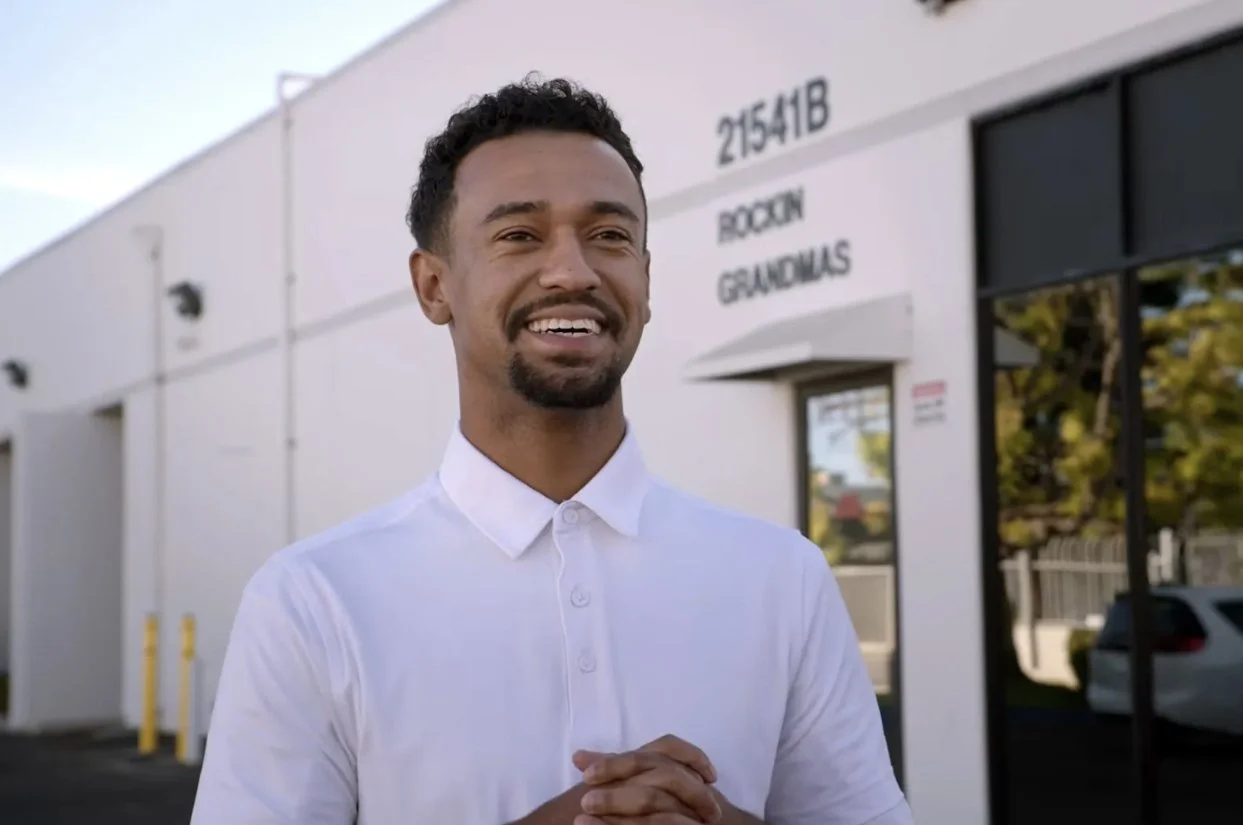
A Portrait of an Amazing Teammate
One of the things that stands out most about Anthony is that he consistently made the environment around him better for other people. He rarely tried to control situations, but he regularly improved them.
On day one, he was thrown into a cringe-worthy drama of a proposal gone wrong, yet instead of distancing himself or ridiculing people, he moved toward support, encouragement, and connection. It was remarkable to watch someone enter an environment where everyone else was actively working to create drama, and immediately begin making the team better.
Most new teammates focus on fitting into the group. Anthony immediately started strengthening it. As we watched each show, a story of an incredible teammate unfolded. Here are a few characteristics that stood out the most:
He Defaulted to Support
Anthony consistently gave people the benefit of the doubt, even in situations that were awkward or confusing. Instead of becoming cynical or defensive, he leaned toward curiosity and empathy. Great teammates don’t immediately escalate tension or assume the worst about the people around them. They create more space for understanding.
He Created Psychological Safety
People seemed to relax around Anthony quickly. He listened well, responded thoughtfully, and rarely made others feel judged or small. He did this so well, it seemed effortless. In fact, this may be his superpower! The result was an environment where people appeared more comfortable contributing and being themselves. That’s one of the clearest signs of psychological safety: people stop managing impressions and start participating more honestly.
He Leaned Into Discomfort
Anthony repeatedly stepped toward awkward moments instead of away from them. He initiated difficult conversations, checked in on people, and gently addressed tension when it surfaced. A lot of team dysfunction persists because people avoid discomfort. Great teammates help teams move through it instead.
He Helped People Feel Like They Mattered
Anthony paid attention to people. He noticed emotions, engaged quieter personalities, and responded in ways that made others feel included and valued. In many ways, he embodied one of the most underrated qualities on teams: the ability to help people feel significant.
He Left a Lasting Mark
The most remarkable moment of the series is the final reveal. When they finally tell Anthony the entire retreat was staged, nearly everyone immediately becomes emotional. Not because the show was ending, but because his impact on them was so significant and they can finally let him know.
One cast member tells him how special he made her feel, sharing that as the oldest person on the cast she often feels overlooked, yet Anthony immediately made her feel seen and included.
With each interaction, he built trust and connection. As he became more connected, his care for his teammates grew, and theirs for him in return. In fact, it grew so much that he eventually found himself becoming braver than he may have ever been before. The result was someone willing to put it all on the line to do what he felt was right.
We have more influence than we realize
Watching Anthony bring out the best in so many of his teammates is a powerful reminder of how much influence we each have on our teammates… influence many us don’t leverage nearly enough.
A new idea often needs encouragement before it finds traction. Someone wrestling with doubt may simply need another person to believe in them first. People who feel overlooked need to feel seen. And even strong leaders occasionally need someone willing to remind them of who they want to be. Those opportunities exist on every team.
And the impact compounds because teams are relational systems. The way we show up affects the people around us, and in turn, how they show up affects everyone else. Over time, those interactions begin shaping the trust, courage, connection, and culture of the team itself.
Which means one great teammate really can change the trajectory of a team.
-Shaun & Joe