
The Real Work of Leadership
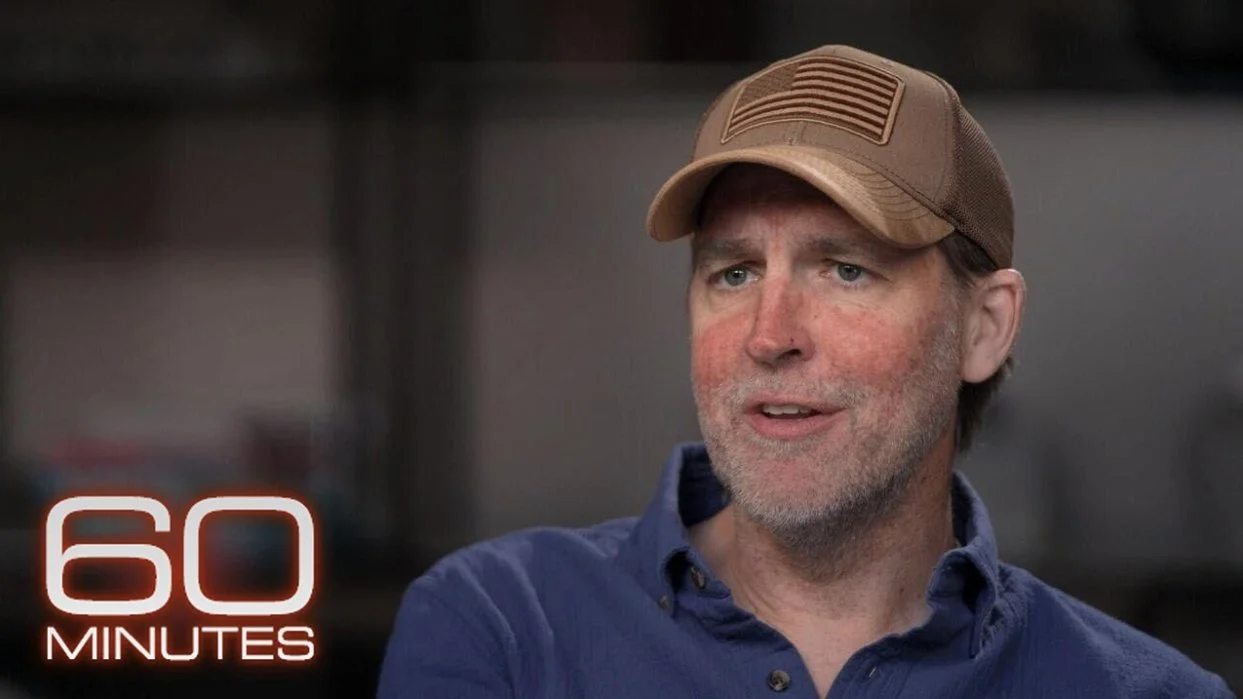
Earlier this year, Ben Sasse sat down with Scott Pelley on 60 Minutes. Living with terminal pancreatic cancer, he reflected on what he hopes for our country.
Rather than talking about national politics, he talked about the extraordinary opportunity we each have to positively influence the people closest to us. He went small. He went proximate.
His reflection surprised me. You just don't hear modern-day U.S. Senators talk this way, even as they near the end of their lives.
He went on to share that too many of us place our hope (and often our frustration) in things largely outside our control while overlooking the people we have the greatest opportunity to impact. He believes that investing in the few people closest to us creates a ripple effect that can ultimately change an entire country.
That got me thinking.
Every leader has been entrusted with a small group of people whose confidence, growth, and sense of purpose they have the opportunity to shape. We spend thousands of hours with our teams, yet it's surprisingly easy to become consumed by bigger goals, bigger problems, and bigger ambitions while missing the significance of the people sitting across the table from us every day.
But if Sasse is right, one healthy leadership team doesn't just create a better workplace. It can create healthier families, better friends, and even stronger communities.
Perhaps one of leadership's greatest opportunities isn't expanding our influence. Perhaps it's stewarding the influence we already have.
Leadership Is the Stewardship of People
Leadership isn't simply about achieving results. It's about helping people become more than they thought they could be.
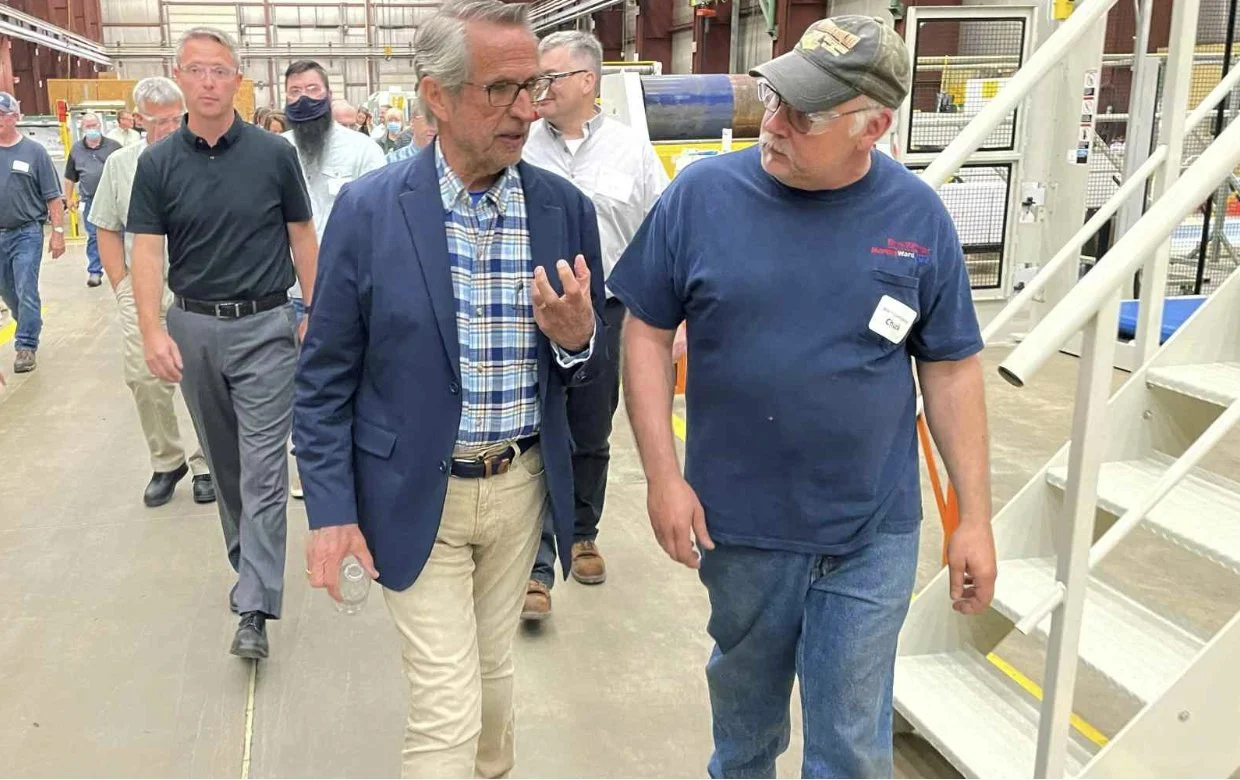
Long before I ever heard Ben Sasse articulate that idea, Bob Chapman had quietly built an entire company around it.
For more than four decades, Chapman led Barry-Wehmiller with a simple but profound belief:
"Leadership is the stewardship of the precious lives entrusted to our care."
I love that word: stewardship.
A steward recognizes that something valuable has been placed in their care. As leaders, our teammates aren't simply resources helping us accomplish organizational goals. They are people whose confidence, well-being, and futures are influenced, in part, by how we show up every day.
Chapman often says that the way we lead impacts the way people live.
That's a remarkable thought. It means every conversation, every piece of feedback, every difficult decision, and every moment we choose to encourage rather than criticize has the potential to extend far beyond the walls of our organization.
That's How Ripples Begin
One of my favorite observations about Barry-Wehmiller comes from Simon Sinek. After spending years studying the company, he noticed something remarkable. When people genuinely believe they are cared for, they naturally begin caring for others.
One leader invests in a teammate. That teammate invests in another. Those people go home differently than they arrived. They become more patient spouses, more engaged parents, better friends, and eventually better leaders themselves.
That's how ripples begin. The impact of great leadership rarely stops at the office door. It moves through families, neighborhoods, organizations, and communities in ways we'll probably never fully see.
Chapman often points out that roughly 88 percent of people feel they work for an organization that doesn't truly care about them. If that's true, then perhaps one of the greatest opportunities any leader has is remarkably simple:
Help the people closest to you know they matter. Chapman once summarized his life's work this way:
"I won't go to my grave proud of the machines I've built. I'll be proud of the people we built, who we allowed to find their gifts, develop their gifts, and be appreciated for their gifts."
I hope I can say something similar someday.
Who Have You Been Entrusted With?
Every one of us has been given a handful of people whose lives intersect with ours every single day. Who on your team is struggling to realize how valuable they are? Who needs someone to believe in them before they believe in themselves? Who could benefit from a little more encouragement, challenge, or simply feeling seen for their unique strengths and capabilities?
Leadership often feels like chasing the next initiative, solving the next problem, or achieving the next milestone. But maybe our greatest work looks different than that. Maybe it's helping the people entrusted to us become more confident, more capable, and more fully themselves.
Maya Angelou knew this as well:
"I've learned that people will forget what you said, people will forget what you did, but people will never forget how you made them feel."
-Shaun & Joe