
The Builders and Breakers of Team Psych Safety
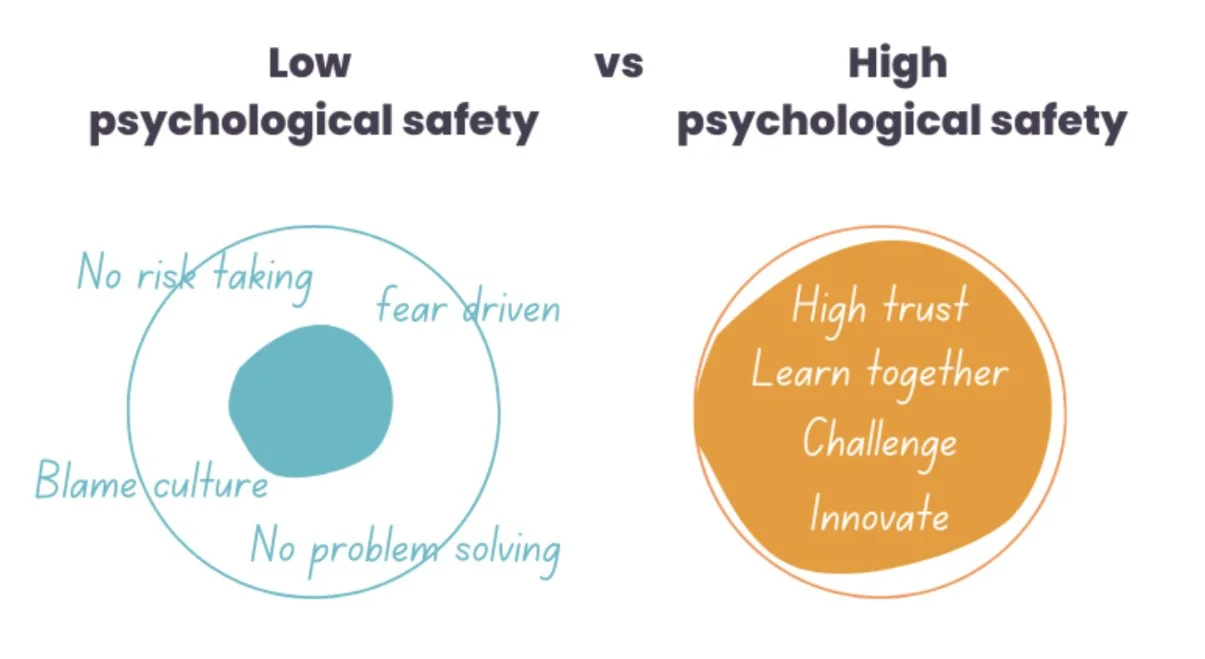
If you’re a regular reader of this newsletter, you probably don’t need to be convinced of the importance of psychological safety. At this point, the connection between psychological safety and high performance is well established. Teams that cultivate it collaborate better, innovate more freely, and navigate challenges with greater resilience.
And yet, despite all that, there are still wide misunderstandings about what psychological safety really is…and what it isn’t.
Even the words themselves can conjure the wrong picture.
Psychological safety isn’t about taking the path of least resistance.
It isn’t about creating a team where everything feels easy.
And it certainly isn’t about avoiding disagreement or conflict.
In fact, the opposite is true. The premise of psychological safety is that teams won’t be able to navigate tension, challenge one another, or work through disagreement unless they first believe they can do so without lingering judgment, resentment, or personal fallout.
When that belief is present, teams lean into hard conversations. When it’s not, people quietly hold back.
The Subtle Ways We Undermine It
Even if you’re nodding along at this point, there’s a good chance you may be undermining psychological safety in ways you don’t fully see. That’s because all of us have blind spots. Research consistently shows that while most professionals believe they are self-aware, only a small percentage truly are.
And when it comes to psychological safety, it’s often the small, everyday behaviors that matter most:
how we respond to ideas
how we handle disagreement
how we react under pressure
These moments accumulate. Over time, they shape whether others feel encouraged to contribute or inclined to stay quiet.
One of the simplest ways to grow in this area is to ask for feedback. Consider reaching out to a trusted teammate and asking: “Is there anything I do, even unintentionally, that makes it harder for people to speak up, share ideas, or disagree openly?”
Asking for feedback is an essential part of building a culture of feedback. In asking, you are going a long way to making it clear that you are serious about your own growth and to the cohesion of your team.
Unfortunately not all feedback is delivered well. Make sure you ask for the feedback from someone you trust, someone that has your best interest at heart, and someone who you have already received meaningful feedback from. This will help to ensure you can take action in the right areas.
Builders and Breakers of Psychological Safety
If you decide to ask for this kind of feedback, it can help to give your teammate language to work from. Many people struggle to name patterns unless they can see them clearly. There are many different dimensions of collaborative work in which you are either building or breaking psychological safety. Below are just a few of them to consider:

Notice how subtle most of these are. Psychological safety is rarely broken by dramatic events. It is shaped positively or negatively through repeated micro-moments.
Want to Go Deeper?
If this topic resonates with you and you’re serious about strengthening how you lead and show up on your team, our next round of Leading with Intention begins March 24th.
This course is focused on building the practical relational skills that shape trust, psychological safety, and strong team dynamics. We go beyond concepts and into real practice, helping you strengthen how you give feedback, navigate tension, listen, and lead in ways that bring out the best in others.
If you’re ready to grow in these areas alongside a cohort of thoughtful leaders, we’d love to have you join us.
You can learn more and save your spot here: https://www.6levers.co/leadingwithintention
-Shaun & Joe