
The Key to Unlocking Engagement
Leaders often ask some version of the same question: How do I improve engagement on my team?
It is an understandable place to start. When a team’s energy feels inconsistent or participation begins to fade, engagement appears to be the missing ingredient. We instinctively look for ways to motivate people or encourage greater ownership.
Over time, however, we’ve come to believe that the question itself points us slightly in the wrong direction. Engagement is not something leaders pull out of people. It is something that emerges when the environment around people supports their foundational needs. In other words, engagement is less about motivation and more about conditions.
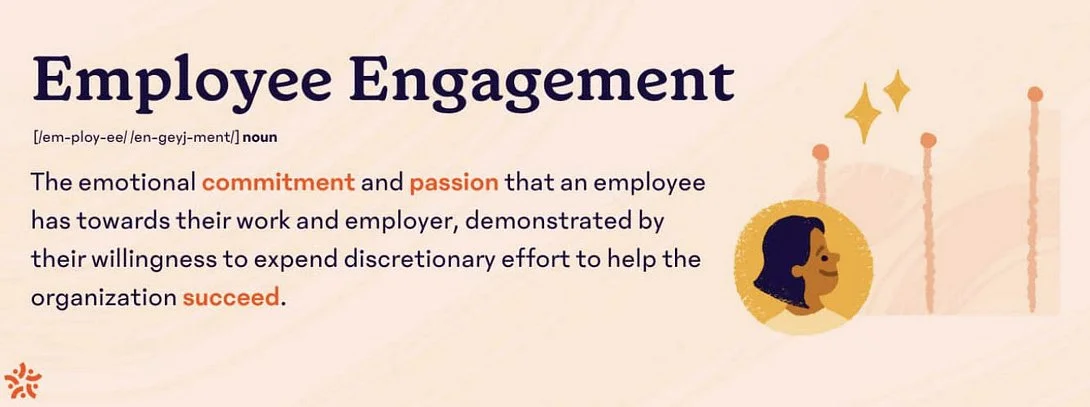
Image courtesy of 15Five
A Shift in How We Think About Engagement
When engagement declines, leaders naturally focus on behavior because it's what we can see. Someone speaks less in meetings. Initiative slows. A teammate who regularly puts in extra effort, stops doing so.
Our instinct is to respond to those visible signals of disengagement we see. We coach harder, clarify expectations, or try to encourage participation more directly. The reality is that the behavior is only the surface expression of something deeper.
Beneath every visible action sits a set of experiences shaping how meaningful and worthwhile it feels to engage. When leaders respond only at the behavioral level, they often address symptoms rather than causes.
One of the ideas we return to frequently with our clients is that a leader’s primary influence is not over outcomes or emotions, but over the conditions in which work happens. Those conditions quietly shape how people show up long before a leader notices a change in performance.

The Conditions that Shape Engagement the Most
There are many ways leaders can influence engagement, but the starting point is rarely a new tactic or initiative. The more helpful question is whether there are underlying human needs that are not being met, and how the team’s conditions might be adjusted to better meet them. For example, when someone’s need for clarity goes unmet, engagement often improves not through encouragement alone, but by strengthening how priorities are set, communicated, and revisited.
When engagement begins to decline, it is often a signal that one or more core needs are not being adequately supported.
Here are three human needs that frequently sit beneath disengagement.
Significance — Do I feel valued?
Engagement strengthens when individuals feel seen and valued beyond the completion of tasks. This does not require constant praise or recognition, but it does require leaders who pay attention to effort, acknowledge growth, and help people understand how their contribution fits into the broader work of the team.
When people experience significance, work begins to feel personal and worthwhile rather than merely transactional. In other words, when they feel valued, they will then add value.
Contribution — Can I influence what happens here?
People invest more deeply when they experience a sense of agency. Engagement grows when leaders create genuine opportunities for input and demonstrate that perspectives meaningfully shape decisions.
Contribution signals trust. It communicates that individuals are not only responsible for execution, but are participants in shaping direction and outcomes.
Meaning — Why does this work matter?
Even when people feel valued and included, engagement can still fade if the purpose behind the work feels unclear or distant. Meaning emerges when individuals can see how their efforts connect to something larger than immediate tasks or short-term goals.
Leaders cultivate meaning by consistently connecting daily work to impact, helping teams understand who benefits from their efforts, and reinforcing the “why” behind priorities and decisions. Over time, this clarity transforms work from a series of responsibilities into a shared pursuit that feels worth investing energy in.
When meaning is present, effort becomes more sustainable because people understand not only what they are doing, but why it matters.
Looking Beneath the Surface
The next time engagement feels lower than you would hope, it can be helpful to pause before reacting. Rather than asking why someone seems disengaged, consider asking what conditions might be shaping their experience right now.
Where might someone be struggling to see the significance of their contribution?
Where might opportunities for contribution feel limited or unclear?
Where might the deeper meaning behind the work feel distant or disconnected?
Questions like these shift a leader’s attention upstream, toward the environment influencing behavior rather than the behavior itself. When leaders begin to examine conditions instead of correcting symptoms, conversations change. Curiosity replaces assumption, and understanding begins to take the place of quick judgment.
Often, meaningful progress does not come from dramatic interventions. It begins with small adjustments in how leaders clarify purpose, invite participation, and help people reconnect their daily work to something that matters. Over time, those subtle shifts reshape how a team experiences its work - and engagement grows as a natural result.
Want to Go Deeper?
If this topic resonates with you and you want to strengthen the relational leadership skills that shape engagement over time, our next round of Leading with Intention begins March 24th.
This cohort-based course focuses on practicing the everyday leadership behaviors that build trust, strengthen psychological safety, and help teams work through tension productively. Rather than adding more theory, we help leaders develop habits that influence how their teams experience work each day.
You can learn more and reserve your spot here:
https://www.6levers.co/leadingwithintention
We would love to have you join us.
-Shaun & Joe